
How WhatsApp Reminders Reduce No-Shows for Salons and Small Businesses
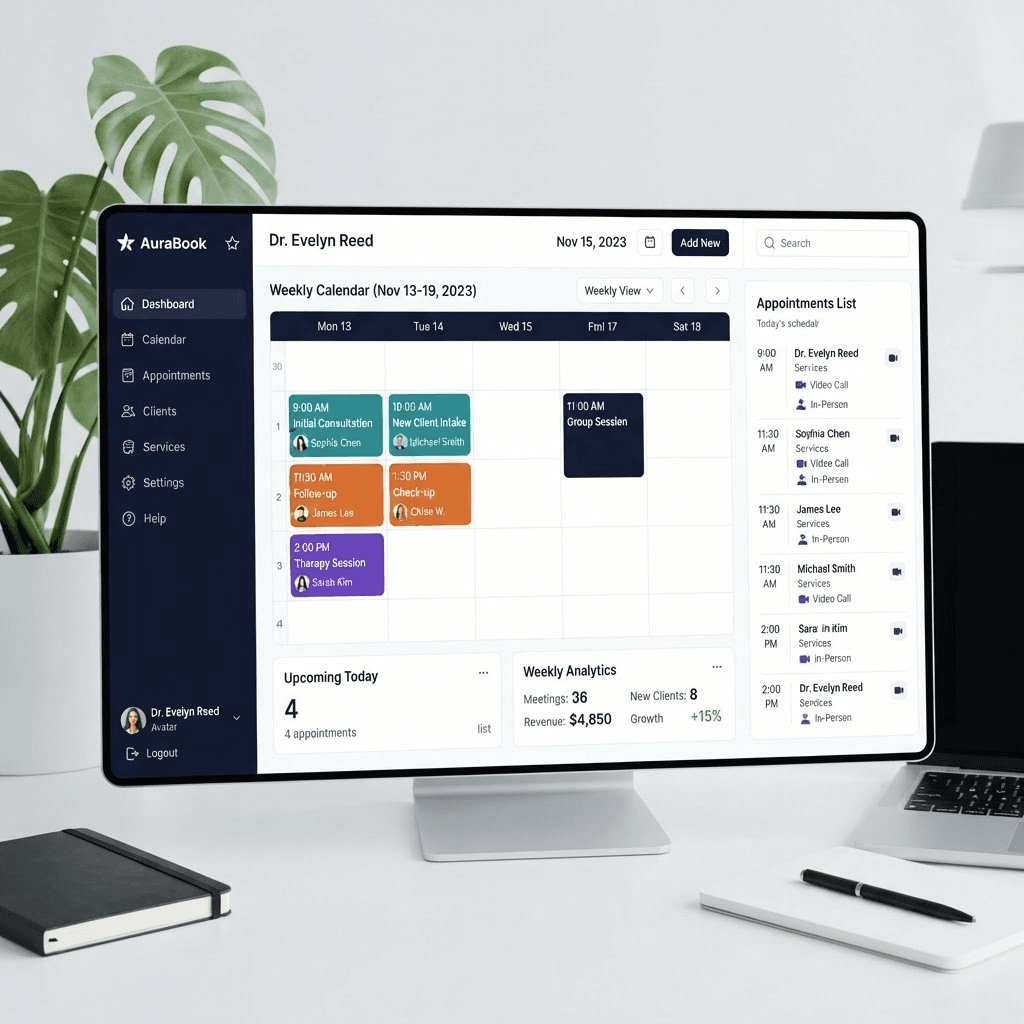
No-shows are one of the most expensive “invisible” costs in appointment-based businesses. A stylist’s chair sits empty. A clinic slot goes unused. A tutor waits on a quiet Zoom call. The calendar looked full yesterday—today the revenue is gone, and you often still paid for rent, staff time, or inventory that depended on that booking.
Many owners try to fix this with more booking rules: deposits, strict cancellation windows, or angry reminder texts. Those tactics can help, but they treat the symptom after the habit is already broken. The more reliable lever is simpler: reach people where they already read messages, at the moments when a reminder actually changes behavior.
That is why WhatsApp reminders reduce no-shows more consistently than email-only or SMS-only workflows for many salons and small service businesses—especially in markets where WhatsApp is the default way people communicate.
Why no-shows hurt more than a missed appointment
A no-show is not just one lost fee. It cascades:
- Lost capacity. You cannot easily fill a same-day gap for a 90-minute color service or a specialist consult.
- Staff frustration. Teams plan their day around a booked schedule. Empty slots feel like wasted effort and erode morale.
- Inventory and prep waste. Products mixed, rooms set up, and equipment reserved for clients who never arrive.
- Reputation drag. Habitual no-shows teach your team to overbook “just in case,” which then creates rushed days and longer waits for people who do show up.
Email reminders still have a place for formal confirmations and receipts. SMS works when it is delivered. But open rates and attention are the real constraint. If a reminder never gets seen, your cancellation policy never gets a chance to work.
Why WhatsApp beats email (and often SMS) for reminders
People actually open it
Email inboxes are crowded with newsletters, promotions, and work noise. Appointment reminders compete with everything else. WhatsApp sits in a different mental bucket: personal, urgent, conversational. A reminder from a business you booked with yesterday feels closer to a message from a friend than to marketing mail.
SMS can be immediate too, but in many regions it is noisy (OTPs, bank alerts, spam) and more expensive at scale. WhatsApp also supports richer context—business name, short confirmation details, a clear reply path—without feeling like a cold transactional blast.
Immediacy and reply loops
A good reminder is not only a ping. It is a chance for the client to confirm, reschedule, or cancel early. WhatsApp makes that reply loop natural. Someone who suddenly cannot make Thursday at 4pm is more likely to tap out a quick reply than to dig up an email thread or call during your busy hour.
Early cancellations are almost as valuable as kept appointments. They give you time to fill the slot—or at least stop preparing for a client who will not come.
Especially relevant in WhatsApp-first markets
In countries like Pakistan—and in diaspora communities that live on WhatsApp for family, work, and local commerce—asking clients to “check their email for a reminder” fights daily habit. Your clients already keep WhatsApp open. Meeting them there is not a gimmick; it is alignment with how they already plan their lives.
What actually reduces no-shows (beyond the channel)
WhatsApp helps delivery. Process design decides whether reminders change outcomes.
1. Instant confirmation after booking
The first message should land immediately: service, date, time, location or link, and what to do if plans change. Confirmation is not just courtesy—it creates a psychological commitment. People who “heard back” from the business are less likely to forget they booked at all.
2. Configurable reminder timing
One reminder at 9am on the day of the appointment is better than nothing. A smarter cadence is usually better:
- A reminder 24 hours ahead (enough time to reschedule without panic).
- An optional same-morning nudge for high-ticket or long services.
- Flexibility per business type (a quick trim vs. a multi-hour bridal package need different windows).
Configurable timing matters because salon, clinic, tutor, and gym workflows are not identical. Rigid “one size” reminder schedules leave money on the table.
3. Follow-ups that are useful, not nagging
If someone does not confirm, a short follow-up can ask: still coming? Need a new time? The tone should stay helpful. Aggressive chasing damages trust; silence after a soft no-reply often means the slot dies quietly.
4. Clear business identity
Clients ignore messages that look like spam. A reminder should clearly name the business, the appointment, and a believable reason you are writing. Consistency in how you message (same channel, same style) builds recognition over weeks.
How Velora’s booking platform approaches this
Velora’s booking platform is built for service businesses that live on appointments—not for generic “grab any meeting slot” calendars. WhatsApp-oriented communication is part of that product direction: confirmations and reminders belong next to the booking itself, not bolted on later through a fragile chain of third-party connectors.
In practice, that means owners can:
- Take bookings online without forcing clients through an email-first confirmation culture.
- Send confirmation when the appointment is created.
- Configure reminder timing to match how their business actually runs.
- Use follow-ups so cancellations surface early enough to recover the slot.
If you want the broader product context—online scheduling, client management, and WhatsApp-native habits for markets like Pakistan—see our guide on the best appointment booking software for small businesses in Pakistan.
This is not magic. Clients will still cancel. Life happens. The goal is fewer silent no-shows: the empty chair you discover only when the time arrives.
A practical checklist for salon and clinic owners
Before you change tools, audit the last 30 days of no-shows:
- How many were true ghosts vs. late cancels you learned about too late?
- Where do clients already talk to you—WhatsApp, Instagram DMs, phone?
- Do you confirm every booking the same day it is made?
- Do reminders arrive early enough to rebook the slot?
- Can a client reply in one tap / one message, or must they call during peak hours?
If your answers point to email-only reminders and phone-tag rescheduling, improving the channel and the cadence will usually beat adding another deposit rule alone.
Closing thought
No-shows will never hit zero. But they do not have to define your week. When reminders arrive on WhatsApp—with clear confirmation, sensible timing, and an easy reply path—you give clients a fair chance to show up or free the slot. That is operational hygiene, not marketing fluff.
If you run a salon, clinic, tutoring practice, or similar business and want booking plus WhatsApp-friendly confirmations and reminders in one place, try Velora’s booking app and see how it fits your schedule.